I think everyone has their own professional bias -- at some point you start noticing details others don't. For me, it's movement. How a person moves.
Yesterday I watched a casual basketball game. Not professionals, not even amateurs -- just people having fun. I used to love basketball as a kid: we played all the time, collected team stickers, shiny Michael Jordan cards... good times :)
The stance and body position
The first thing I noticed was the stance and body position.
Straight legs, the ball bouncing near someone's ears... the whole game happening on a "high level." In this position the ball is easy to steal, there are almost no explosive moves, no quick changes of direction. It works when you feel safe and just look around.
But once you go on the attack -- that luxury disappears. You shift to the "low level": knees bent, center of gravity lower, torso flexible. You compress the spring, ready to explode. You become faster, more stable, and reactive in any direction.
How does this connect to climbing?
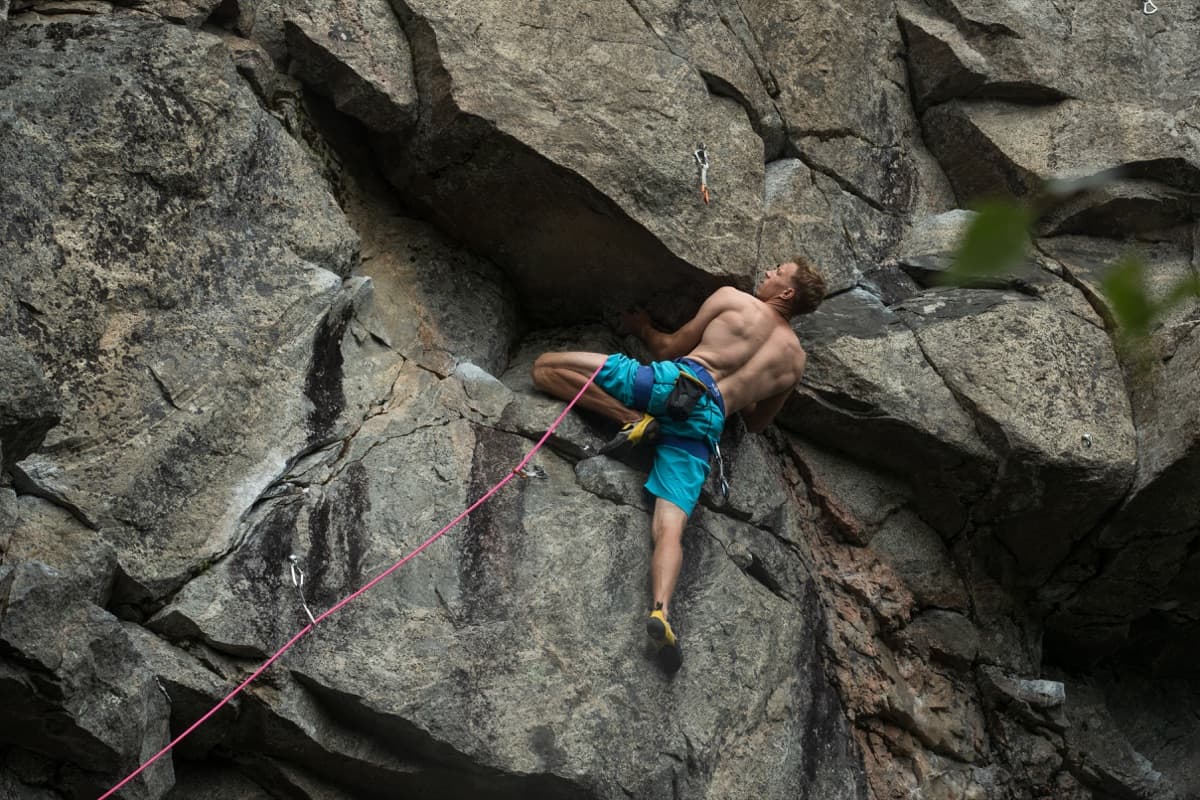
One of the most common mistakes in climbing is trying to play on the "high level" all the time: pulling yourself up with your arms, straightening your legs, desperately reaching for the next hold...
But the spring is already stretched. There's nothing left to push you. You end up pulling, burning tons of energy, and the movement becomes heavy.
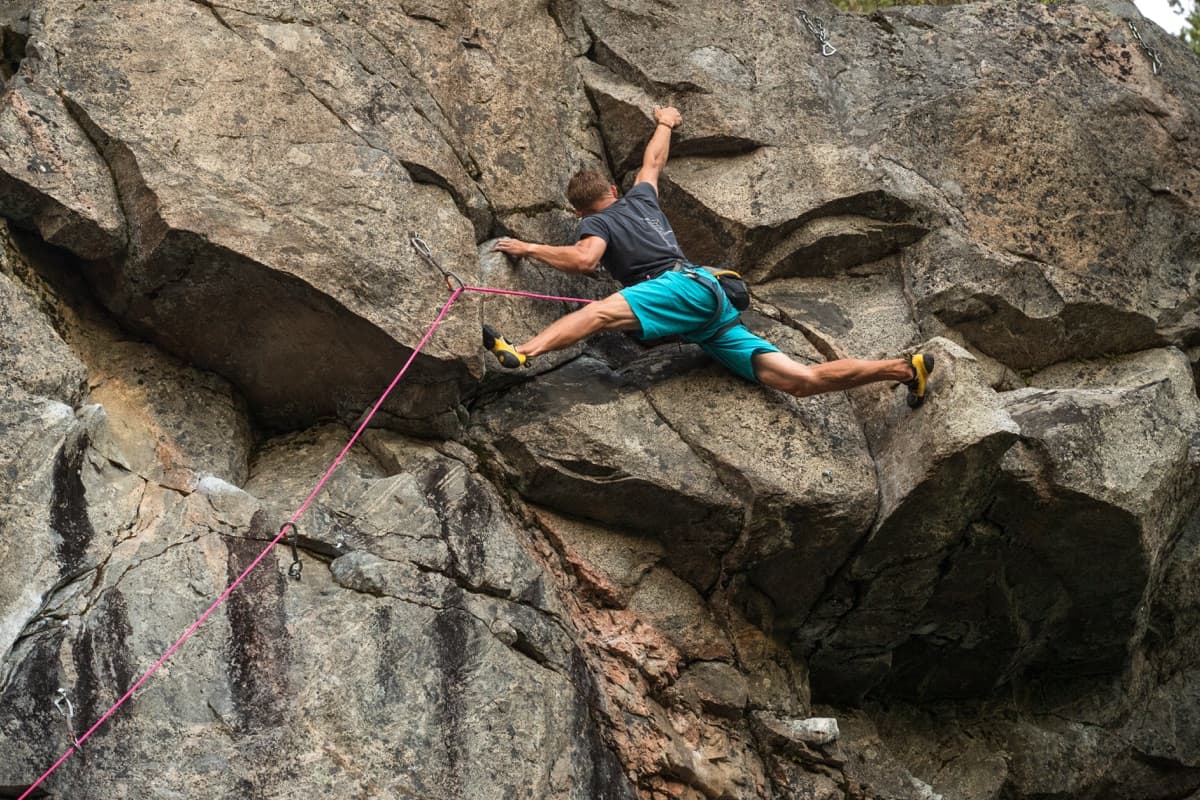
Good footwork is the ability to compress and release the spring at the right moment. That's what it means to play on the "low level."
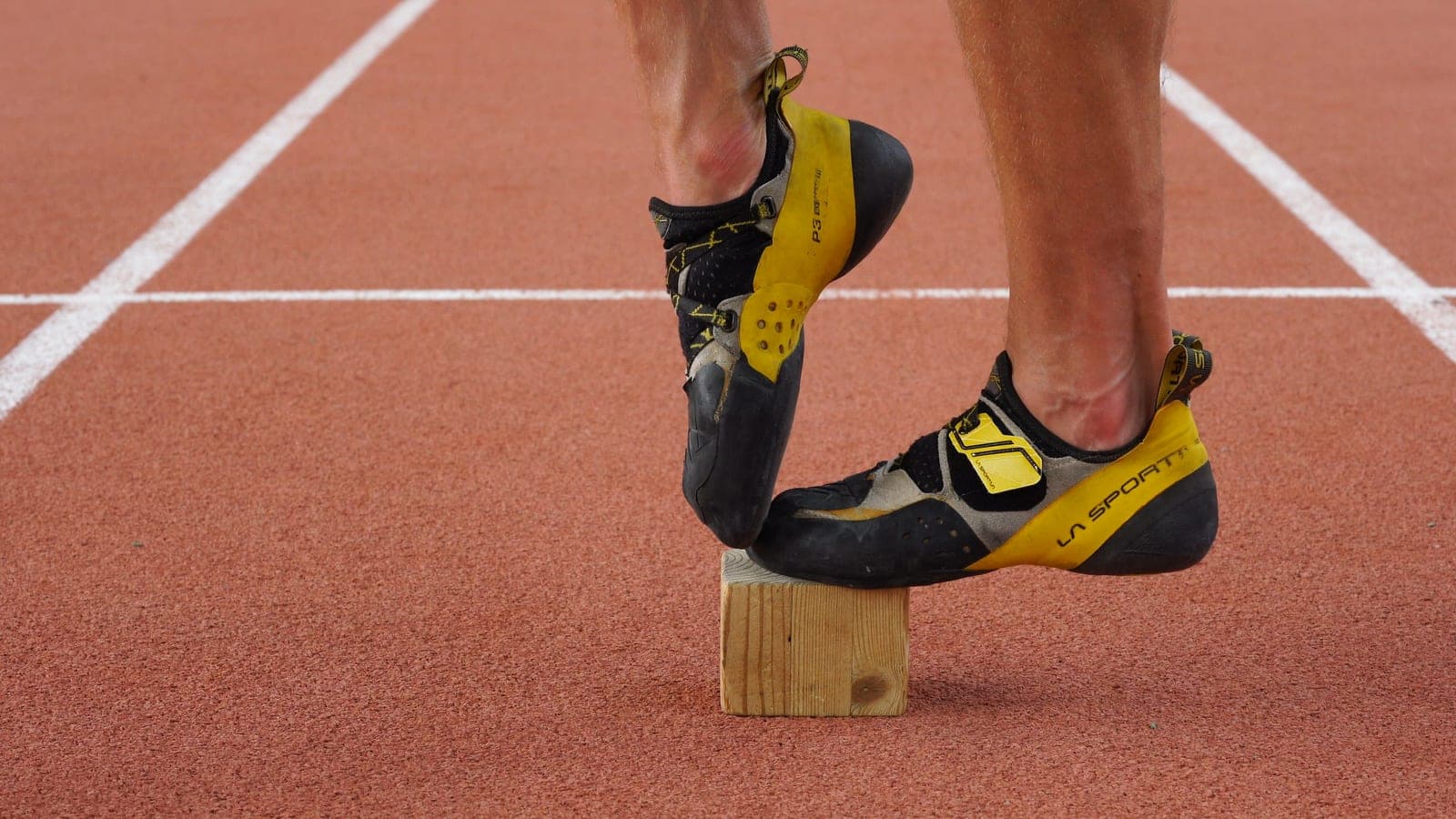
- Precise foot placement
- Shifting your center of gravity
- Pushing in the right direction
Your legs are the foundation.
The better you control your center, the less energy you waste -- and the more powerful your climbing feels.
So... how well do you play on the "low level"?
Don't want to sort through all these details yourself?
Get Your Personalized Training Plan